

Define the player task
Describe the game, intended mechanics and the question the location must answer.
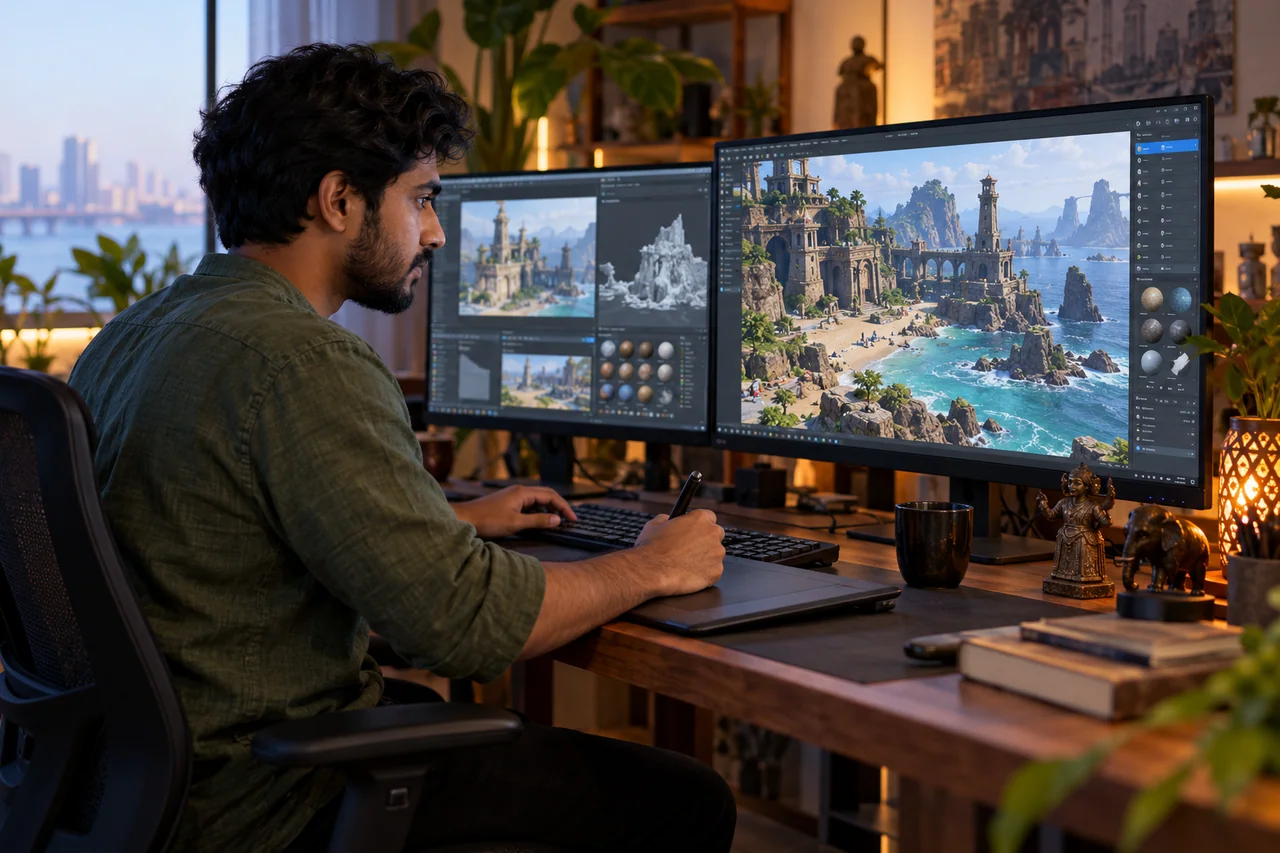
Navakora develops commissioned maps, levels and narrative locations for independent game teams. The starting point is a player question: where can I go, what draws me there and how does the space support the game? Spatial design, atmosphere and production constraints are considered together, from an early blockout to an agreed handover.
A world is read through movement as well as images. A landmark can draw a player forward, but its usefulness depends on the paths, camera and decisions around it. Begin with what the player is doing so the environment's scale and atmosphere have a practical design foundation.
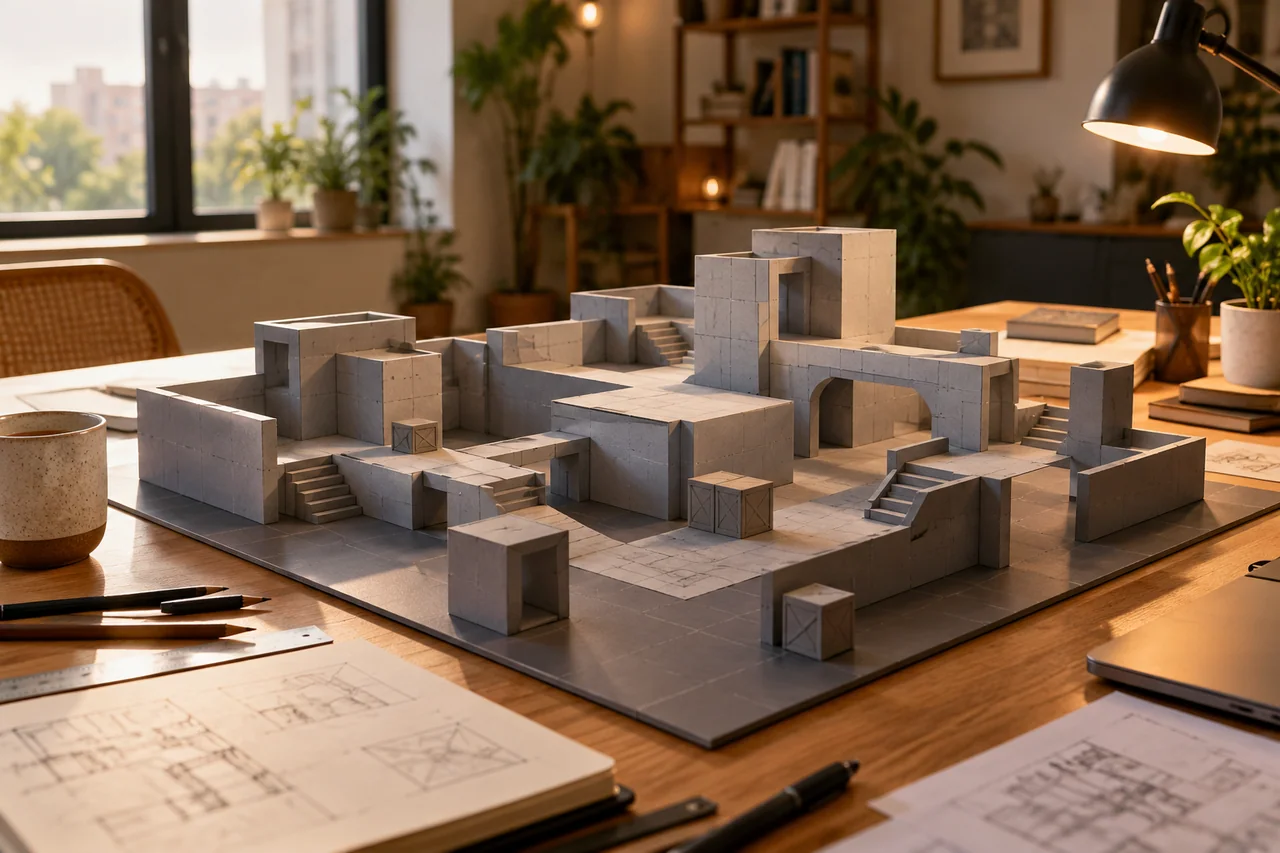
Navakora approaches world-building as a relationship between player action and place. A striking view matters, but so does the route leading to it and the decision made after it. The design conversation connects those moments instead of separating gameplay and atmosphere into unrelated tasks.
A blockout makes a spatial question testable while the cost of change is still manageable. It might reveal a route that is difficult to read or an encounter space that does not fit the intended action. The review should explain which question was tested and what decision follows from the result.
Start with the task and follow the detail that matters to your next decision.
A level gives movement a purpose.
World & level workA location can communicate history and possibility through its organisation, materials and light.
World & level workA commissioned map or location needs a defined boundary.
World & level work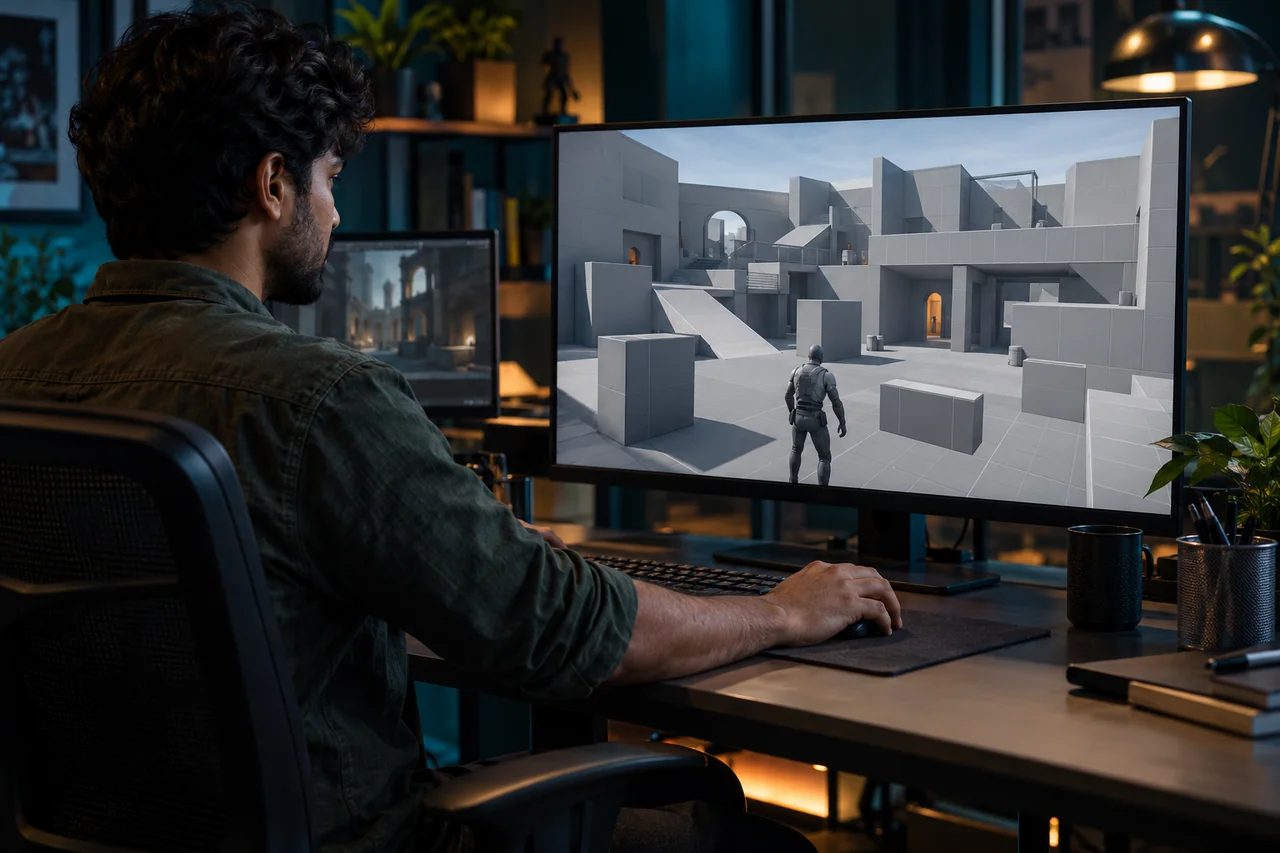
A level can be visually convincing while leaving the player unsure where to move. Begin with the decision the space needs to support: approaching a landmark, choosing between routes or finding a moment of cover. A rough blockout makes those relationships easier to discuss because materials and decoration have not yet taken over the conversation.
Share the camera position, movement limits and the action that should happen in the space. A doorway has a different role when the player walks, jumps, drives or views the scene from above. Those constraints give a spatial review something concrete to test.
Lighting, contrast and environmental props can reinforce the route once its underlying structure is understood. A brighter threshold might mark a destination; a repeated material can connect two areas. Explain what the player should notice and what can remain background texture.
Keep a record of the question behind each prototype revision. If a route changes, compare the same movement task again before expanding the art pass. Our production notes describe the build, references and feedback that help turn an initial world enquiry into a focused discussion of scope and handover.
Choose a spatial intention to highlight a path in this conceptual level diagram. The route is a discussion aid for player movement and attention.
A clear line connects the entry to a visible destination. Review whether the player understands where the next meaningful action is located.
A side route creates a deliberate choice before returning to the main path. Check whether its purpose is readable from the intended camera.
A loop gives the player room to approach and reposition. Test scale, sightlines and the movement needed for the intended encounter.
Early work is most valuable when it makes an uncertainty testable. A blockout might test a jump distance, the visibility of a landmark or the route to an objective. The result should guide a decision, not merely provide a smaller version of a final scene.
References become more useful when their purpose is named. A material study, a lighting reference and an example of route structure answer different questions. Keeping those roles separate helps a team discuss the world coherently without turning an inspiration collection into an undocumented production requirement.
Keep the preparation stages connected to the decision each one needs.
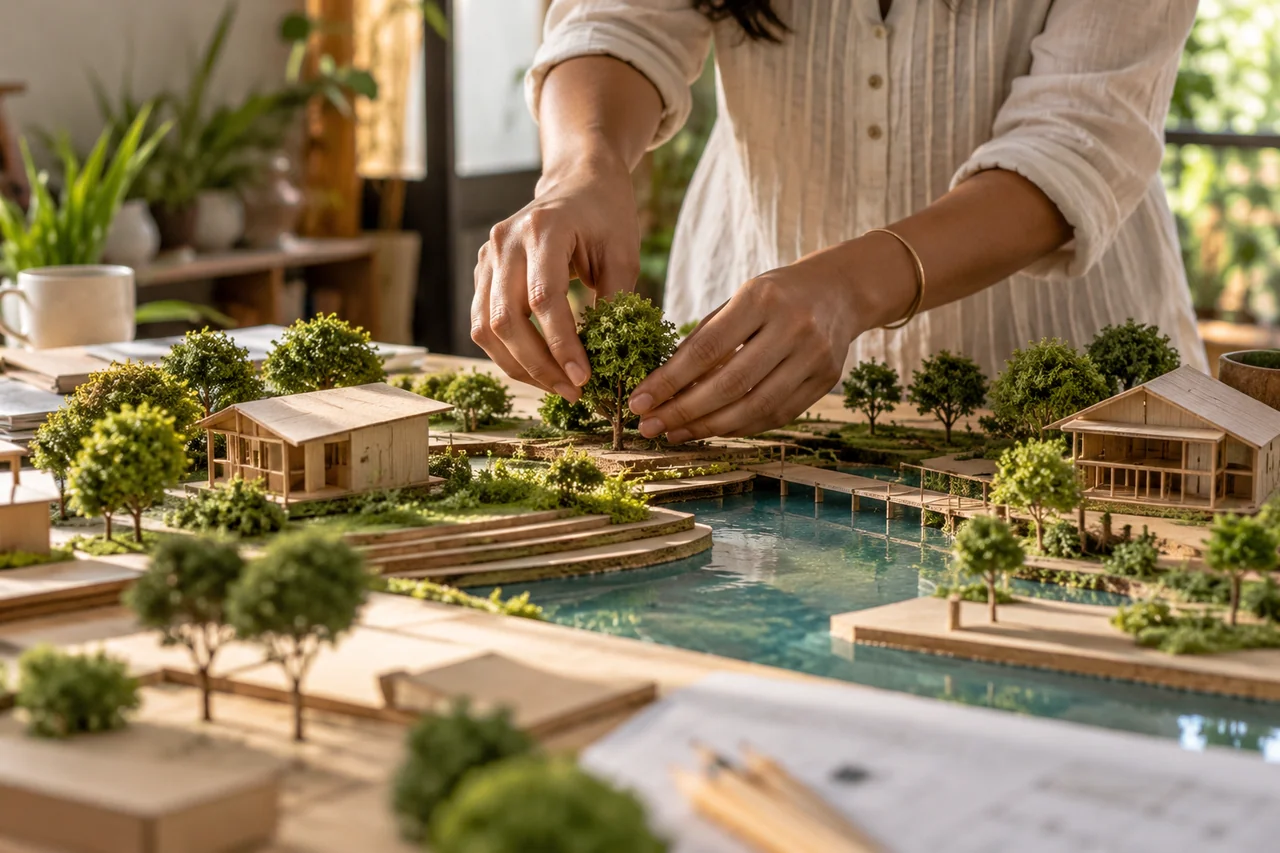
Describe the game, intended mechanics and the question the location must answer.
Work through routes, scale and points of attention before detailed dressing.
Agree the asset approach, visual direction and technical boundaries.
Confirm the outputs, dependencies, file organisation and review notes.
Include the camera perspective, player scale and movement rules in the brief. A space designed around a slow first-person walk differs from one built for fast traversal or an overhead view. Provide a stable reference build where appropriate.
The receiving pipeline is part of the design brief. Engine version, scale, dependencies and review responsibilities shape how work can move into a game. Agreeing those boundaries gives a commissioned location a clear destination and makes handover more understandable for the people who will continue developing it.
Describe the game and the purpose of the map or location. Include the target engine, perspective, platform and the stage of production. For an initial conversation, a concise brief is enough; agree a suitable channel and permission before sharing private builds or restricted production assets.